




Annual Foot Assessment
Who it’s for:
Every patient with diabetes, once a year at minimum, more often if your risk rating calls for it.
What it is:
A full check of your skin, nails, foot shape, circulation and feeling in your feet.
Why it matters:
It catches early changes before they become a problem, even when your feet feel completely normal, many early changes have no symptoms.
What happens next:
We’ll agree a personal care plan with you before you leave, including how often you need to be seen.
Vascular Screening (Testing your blood circulation)
Who it’s for:
Everyone at their annual assessment, and anyone with a slow-healing wound or symptoms of poor circulation.
What it is:
A quick, painless check of the blood flow to your feet. We compare the blood pressure at your ankle and toe with the blood pressure in your arm using a small hand-held Doppler device and a blood pressure cuff.
Why it matters:
Reduced blood flow can slow down wound healing and raises the risk of more serious foot problems, often with no obvious symptoms at all. This test can pick up something you wouldn’t otherwise notice.
What happens next:
We’ll explain your result there and then arrange further tests or a referral if needed.
- Ankle Brachial Pressure Index (ABPI): It compares the blood pressure at your ankle with your arm using a Doppler probe and a standard blood pressure cuff it takes a few minutes and doesn’t hurt, though the cuff will feel tight briefly.
- Toe Brachial Pressure Index (TBPI): It compares the blood pressure at your toe with your arm with a smaller cuff used when ABPI results may be less reliable, for example if the arteries at the ankle have become stiffened, which is more common in long-standing diabetes.
Neuropathy Testing (Testing the feeling and nerves)
Who it’s for:
Everyone at their annual assessment, and anyone reporting numbness, tingling, burning or pain in their feet.
What it is:
A check of the feeling in your feet using two simple tools: a soft nylon filament pressed gently against your skin, and a small device that produces a gentle vibration.
Why it matters:
Diabetes can reduce feeling in the feet, which means an injury, a cut, a blister, even a burn, can go unnoticed until it’s more serious. Picking up a change in feeling early helps you take the right precautions.
What happens next:
We’ll talk through what your results mean for your day-to-day foot care and record them so we can track any change over time.

The 10g filament test: a soft nylon thread is pressed gently onto several points on your foot until it just bends this delivers a set, gentle amount of pressure each time, so your answers can be compared visit to visit.
The vibration test (neurothesiometer): a small handheld device is placed against your foot and produces a vibration that gradually increases you tell us as soon as you can feel it starting.
Footwear Guidance
Who it’s for:
Anyone whose current shoes may be contributing to pressure, rubbing or injury, and everyone at higher risk of foot problems. Including those with foot deformities or post amputation.
What it is:
Personalized advice on choosing and wearing shoes that protect your feet.
Why it matters:
The wrong footwear is one of the most common causes of preventable foot damage in people with reduced feeling or circulation.
What happens next:
We’ll tell you what to look for when buying shoes and recommend specialist footwear if you need it or a referral to the physical rehabilitation hospital.
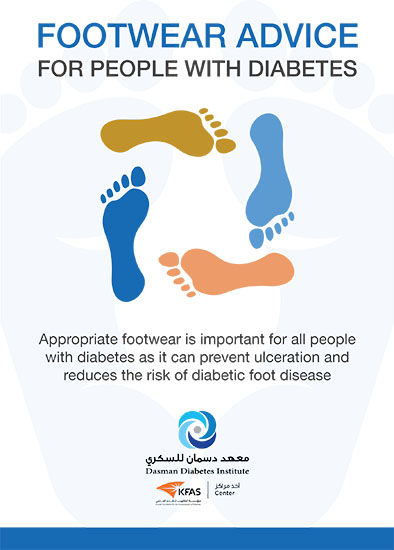
Footwear Advice
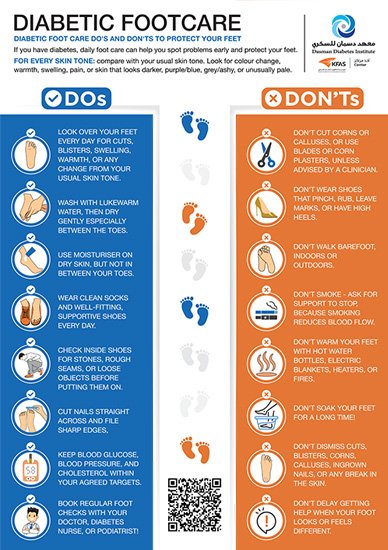
Diabetic Footwear
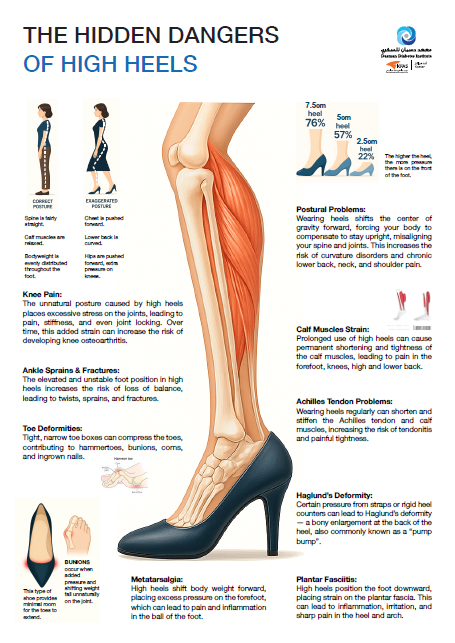
Dangers of High Heels
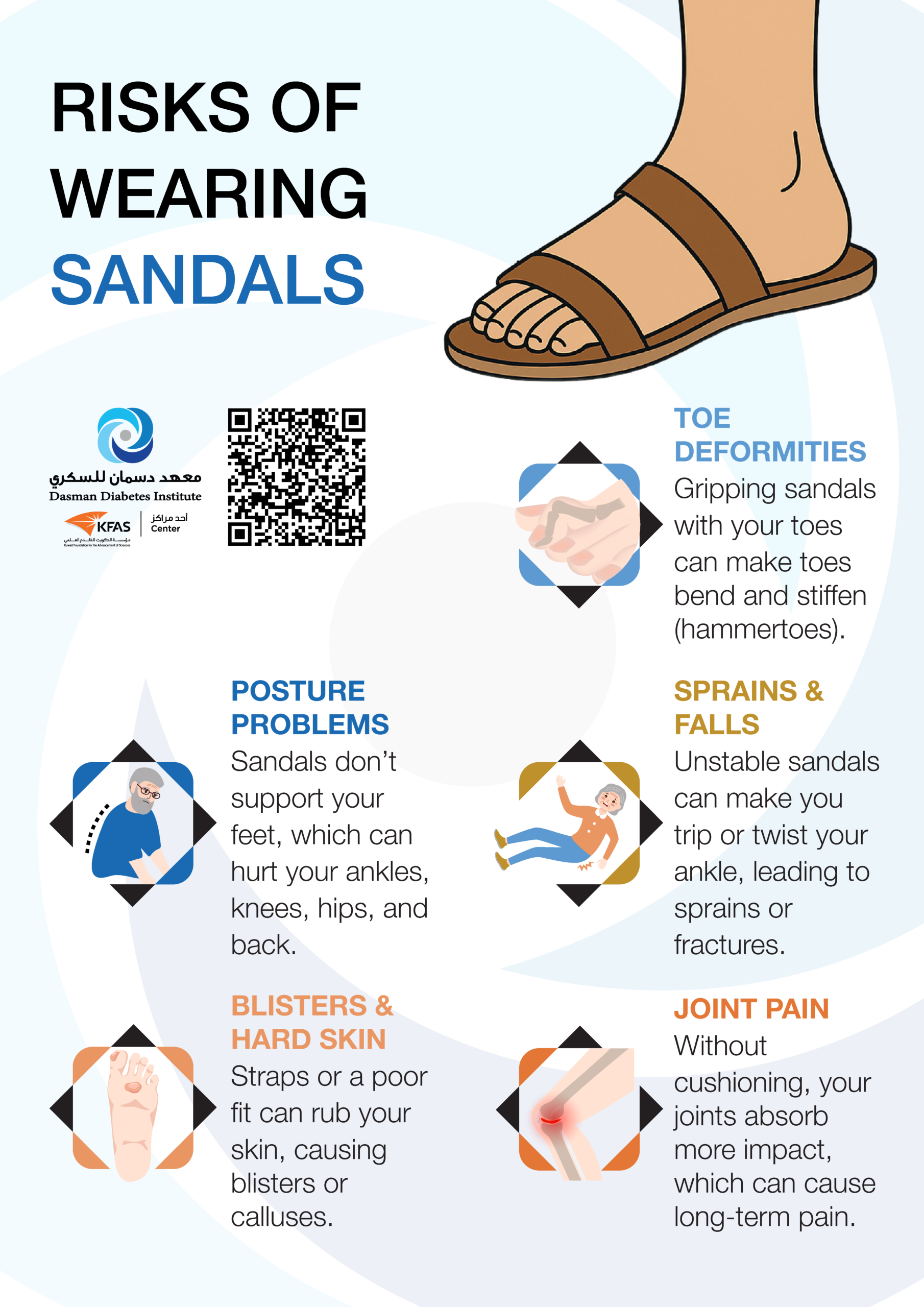
Risks of Wearing Sandals
Charcot Foot Care
What is Charcot foot?
Charcot foot is a condition that can affect people with neuropathy (nerve damage) this can occur in patients with diabetes. It causes the bones and joints in the foot to become weak, and if not treated quickly they can shift out of place and change the shape of the foot permanently.
Who is most at risk
Charcot foot is more likely if you already have significant nerve damage in your feet, particularly after a minor injury even one you don’t remember. This is why it can seem to come from nowhere.
Signs to look out for
Your foot bones are soft and break easily.
Your foot will be red, hot and swollen.
Your foot will change shape if it is not managed correctly and quickly.
Specialist below-knee footwear to support your foot bones and prevent changes to the shape of your foot.
Why urgent assessment matters
In the early (“active”) stage, the bones in the foot are soft and can be damaged further simply by walking on them. Left untreated, this can lead to the foot changing shape permanently, which increases the risk of wounds (ulcers) for life. Getting assessed and starting treatment quickly gives the best chance of protecting the shape of your foot.
What treatment may involve
Keeping weight off the affected foot straight away, using crutches, a wheelchair, or a similar walking aid, until you’ve been seen.
A cast or supportive boot (a “total contact cast” or a removable below-knee walker) to protect the bones while they heal.
Regular check-ups to monitor how the foot is settling.
How long does this take?
The active stage can take several months to settle, and sometimes longer it varies from person to person, which is why regular review visits matter: they’re how we track your progress and know when it’s safe to move to the next stage.
Day-to-day impact: we know that keeping weight off your foot for an extended period affects work, driving and daily life. Please talk to us if you need advice or support arranging this, including access to a wheelchair or crutches.
What happens once the active stage has settled
This is called the “chronic” or “stable” stage. The redness, heat and swelling have gone, and the bones are no longer fragile but if the shape of the foot has changed, that change is usually permanent. You’ll be given specialist footwear or insoles to protect your skin from pressure in the new shape of your foot, and you’ll continue to have regular podiatry reviews to reduce the risk of wounds developing.