
What happens when your sugar drops?
Sometimes, the sugar in your blood can drop too low. This is called low blood sugar (hypoglycemia). Your blood sugar is low if it goes below 3.9 mmol/L (70 mg/dl).
Why does blood sugar drop?
Blood sugar can drop when:
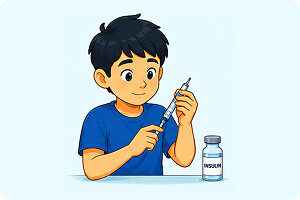
You take too much insulin.
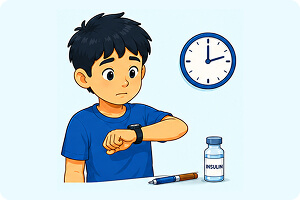
You take insulin at the wrong time.

You play, run, or exercise without planning.
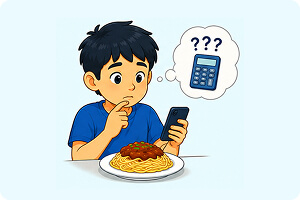
You miscount the sugar in your food.
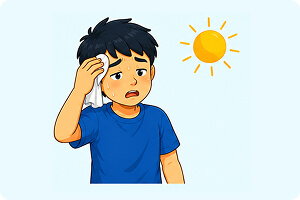
Hot weather
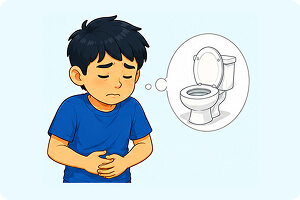
You are sick, and your food doesn’t stay in your tummy (vomiting, diarrhea).
Mild hypoglycemia is sometimes normal and harmless – but the causes of hypoglycemia must be considered.
How can you tell your sugar is low?
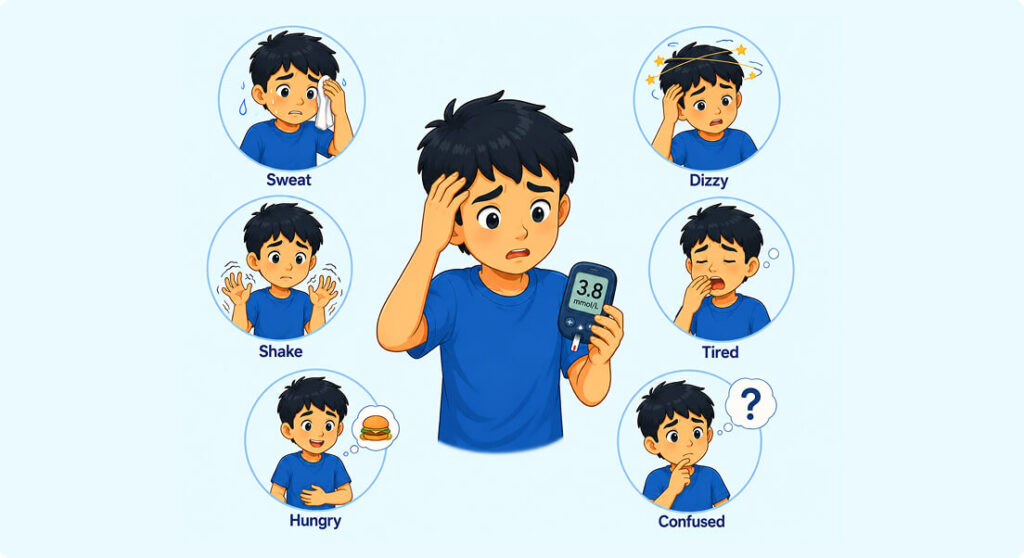
Signs and symptoms vary from individual to individual and may change if you have diabetes for some time. If blood sugar levels are generally generally high, individuals may feel hypoglycemia when blood sugar levels are slightly low but still above 4 mmol/L. As your diabetes control improves, the warning signs of hypoglycemia may begin to appear at lower blood sugar levels.
Hypoglycemia or low blood sugar has 3 stages:
Mild hypoglycemia:
Trembling hands
Sweaty forehead
Feeling dizzy or hungry
Headache

Moderate hypoglycemia:
Confused or grumpy
Trouble talking or focusing
Blurry vision
Severe hypoglycemia:
Fainting (losing consciousness)
Very confused
Convulsions

Take the appropriate insulin dose for the amount of carbohydrates you ate.
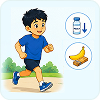
Be aware that exercise can lead to hypoglycemia whether during or after physical activity. Reduce your insulin dose when exercising and/or eating a carbohydrate-rich snack.
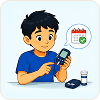
Check blood sugar levels on daily basis. This shows you whether the dose of insulin you are taking is correct.
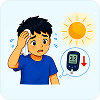
Be aware that hot weather can cause your blood sugar level to drop.
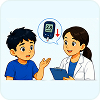
Let your diabetes care team know if your blood sugar level drops frequently to < 3 mmol/L before you feel hypoglycemia.
How should I treat low blood sugar?
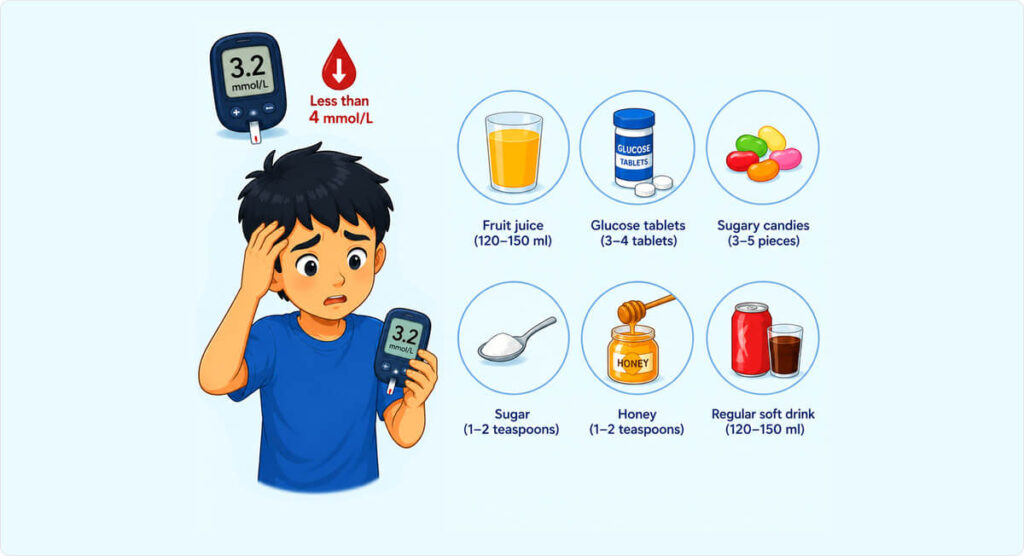
Once you feel symptoms of low don’t move, sit down and follow the steps:
Fast-acting carbohydrates:
Let’s say one unit of fast-acting insulin lowers your blood sugar level by 3 mmol/L (remember, this may not apply to all individuals, find out how it affects your blood sugar level).
This type of carbohydrate is considered the best remedy for hypoglycemia.
-
Juice 125 ml
-
Regular frizzy drink150 ml, Small can
-
3 teaspoons white sugar
-
Glucose tablets (4 grams per tablet), 4-5 tablets
Note:

Checking blood glucose level with a glucometer is necessary to determine how to deal with hypoglycemia.

Recheck blood sugar level after 10-15 minutes to make sure it has gone up to the normal range. Repeat hypoglycemia treatment if necessary.

The child may need a snack of slow-acting carbohydrates to prevent blood sugar level dropping again below 4 mmol/L, especially at bedtime.

Chocolate, milk and biscuits. etc., are considered slow-acting carbohydrates should not be used to treat hypoglycemia.
Slow-acting carbohydrates:
There are foods that contain large amounts of carbohydrates, but because carbohydrates are mixed with fats, proteins or fiber, glucose takes a long time to enter the bloodstream. These foods don’t work fast enough to treat hypoglycemia.
Try not to overtreat hypoglycemia, as this will lead to a significant and undesirable increase in blood sugar level.
Treatment of hypoglycemia should increase blood glucose level by 3 to 4mmol/L
(54 to 72 mg/dl).
Note: If hypoglycemia occurs immediately before a meal, treat hypoglycemia with fast-acting carbohydrates and inject insulin dose before the meal. You may need to reduce the meal dose of insulin by one unit.
Emergency: Severe Low Blood Sugar
In severe hypoglycemia, where the child is unconscious, severely confused or suffers from convulsions, it is dangerous to try to make them eat or drink. The safer way is to use the Glucagon injection.

The recommended dose for glucagon injection 1 mg for children ≥25 kg and 0.5 mg for children <25 kg injected subcutaneously.
The child should regain consciousness within 20 minutes
Once conscious, re-check blood glucose and make sure it has risen above 3.9 mmol/L (70 mg/dl).
Provide a snack 15-20 grams of carbohydrates to avoid recurrence of hypoglycemia.
The child should be taken to the emergency room to check on his general condition after an episode of severe hypoglycemia.