
What Is Lipohypertrophy?
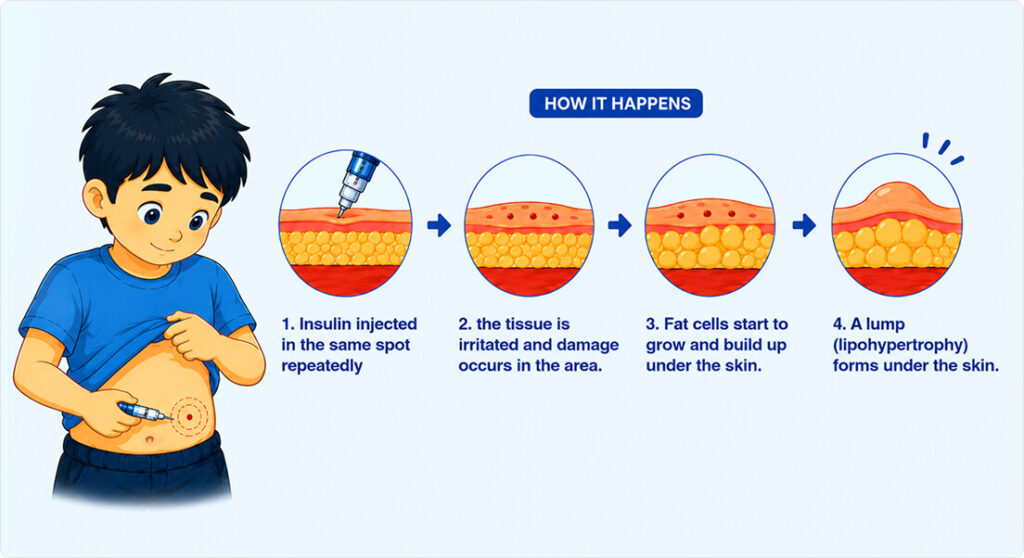
Lipohypertrophy means little bumps or lumps under the skin that happen when insulin is injected in the same spot over and over again.
It’s very common in kids who take insulin and it can be prevented!
Signs and Symptoms
These are things you might notice on the skin:
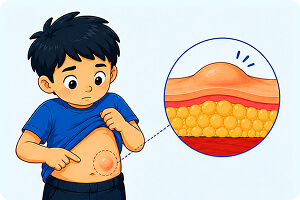
You may feel soft bumps under the skin where insulin is injected.
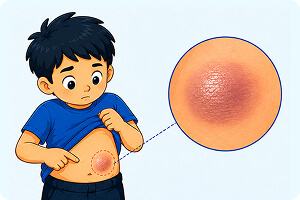
The skin can look shiny, thick, or a little different in color.
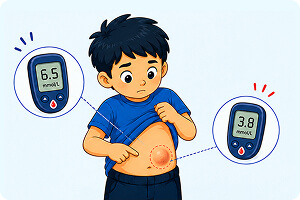
If your blood sugar changes for no clear reason, it may be because insulin is NOT absorbed well when you inject it in that area.
Risk Factors
Things that make lipohypertrophy more likely:
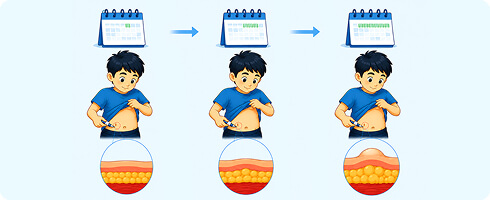
Using Insulin for a Long Time
The longer someone uses insulin, the higher the chance of developing these bumps.
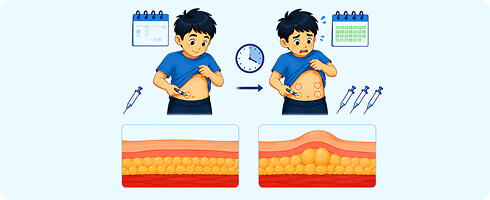
Lots of Daily Injections
More injections = more chance of hitting the same spot again.
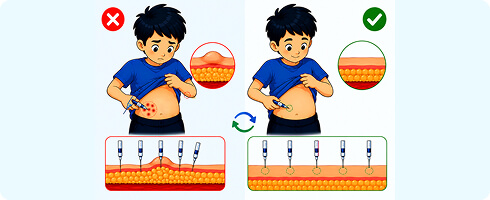
Injection Technique
Using the same spot repeatedly or not rotating sites can cause lipohypertrophy.
How Doctors Diagnose It
Your doctor or diabetes educator may:

Check the Skin
They gently feel for bumps or look for changes in color or texture.

Look at Blood Sugar Patterns
Strange ups and downs may show that insulin is not being absorbed properly.
Possible Complications
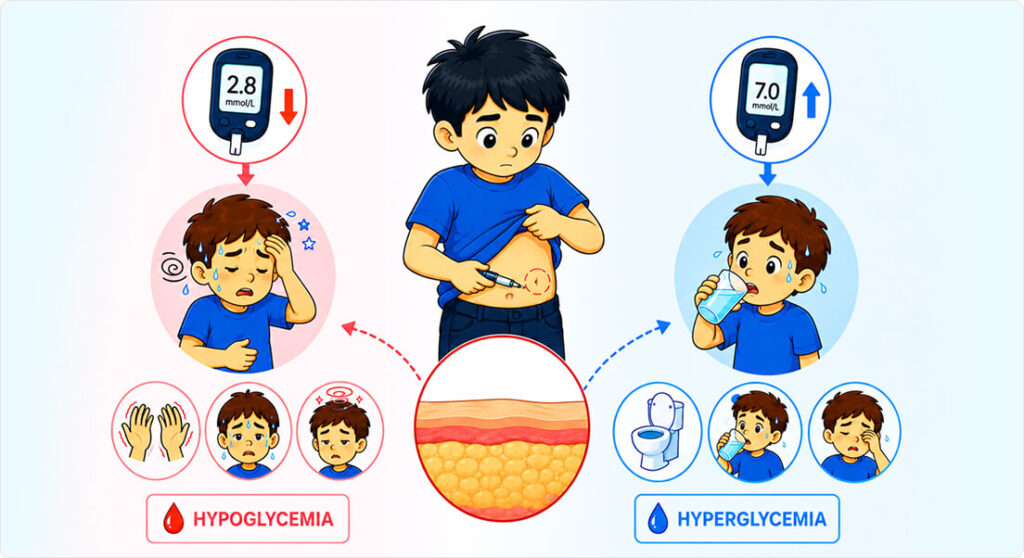
If insulin is injected into a bumpy area, the body may not absorb it properly. This can cause:
- High blood sugar (hyperglycemia)
- Low blood sugar (hypoglycemia)
because the insulin dose does not work the way it should.
How To Prevent & Treat Lipohypertrophy
Good habits can help keep your skin healthy and insulin working well:

Rotate Injection Sites: Switch places every time – stomach, arms, legs, hips.

Avoid the Bumpy Area: Give the area a rest for a few months so it can heal.
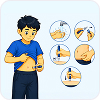
Use Proper Techniques: Use the right needle size and inject at the correct angle.
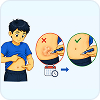
Avoid injecting in the lipohypertopthy area for few months till it resolves.

Talk to Your Diabetes Team: Ask questions anytime – your diabetes nurse or doctor can teach you how to protect your skin and inject safely.