
Why do we exercise?
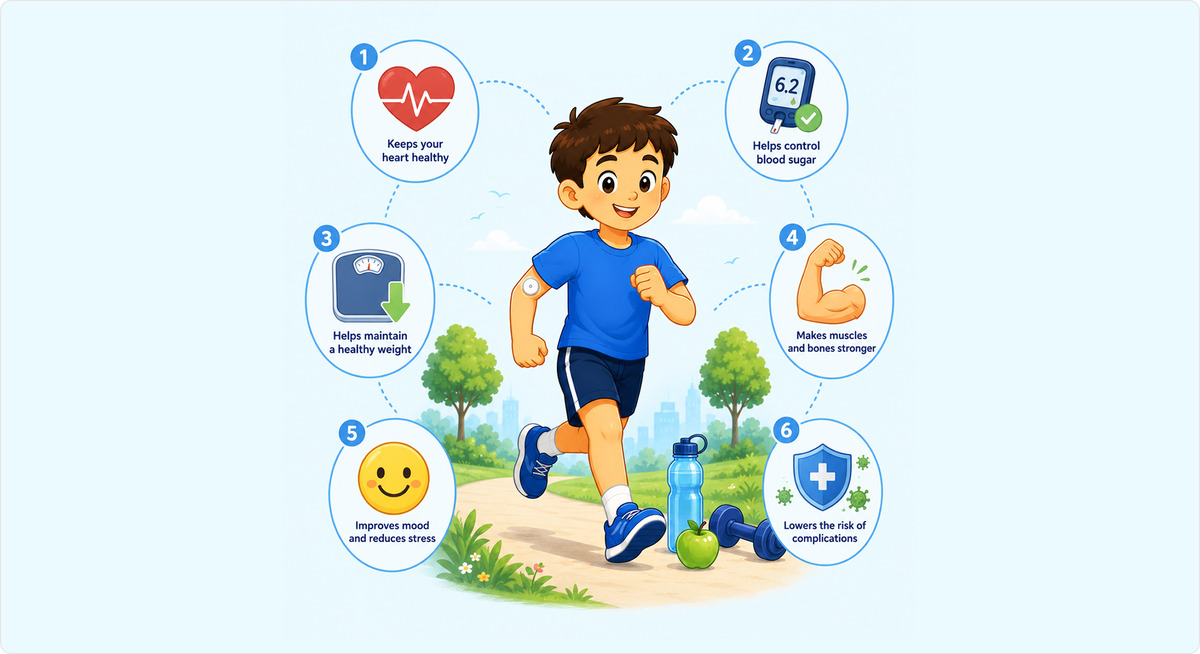
Being active helps you:
- Stay strong and healthy
- Keep your heart happy
- Maintain a healthy weight
- Make new friends
- Feel confident
- Have fun because sports are fun!
Why is exercise extra helpful for kids with diabetes?
Along with all the benefits above, exercise also:
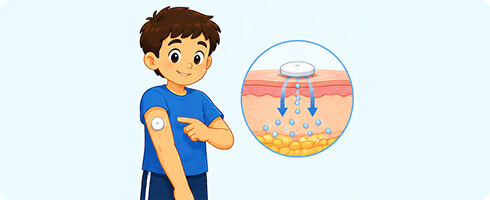
Helps insulin work better your body
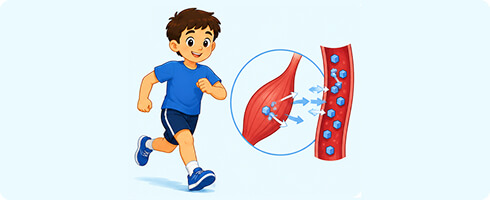
Helps muscles use more glucose without needing more insulin
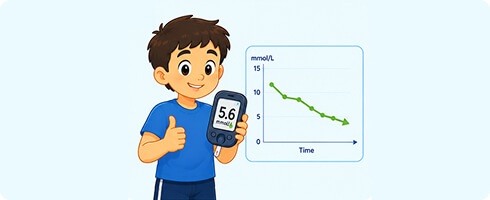
Helps your blood sugar stay in a healthier range
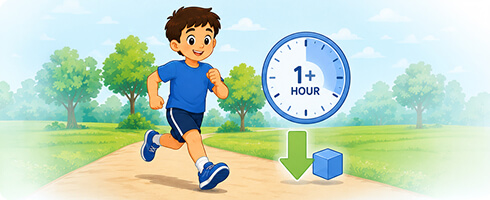
Lowers blood sugar more effectively when you exercise for 1 hour or longer
Exercise uses A LOT of energy
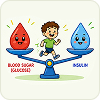
Your body needs the right balance between blood sugar and insulin during exercise
Your body uses glucose (sugar) stored in your muscles and liver (called glycogen)
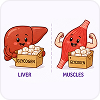
Muscles use their stored energy first
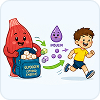
Insulin helps sugar enter the muscles
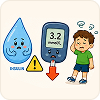
If there is too much insulin in your body, your blood sugar may drop → hypoglycemia
If there is not enough insulin, blood sugar can rise → hyperglycemia
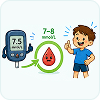
That’s why we check blood sugar around exercise!
General Safety Tips
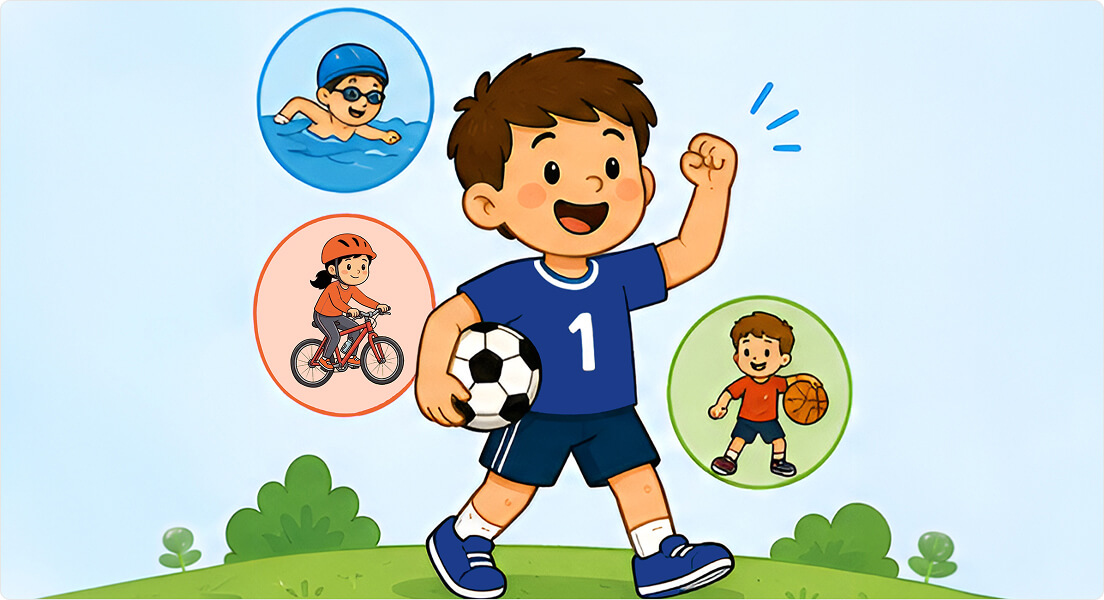
- Kids with type 1 diabetes can do any sport!
- Check your blood sugar before, during, and after exercise.
- Always carry:
- fast-acting carbs
- a snack
- your glucometer
- Make sure someone nearby knows you have diabetes and can help if needed.
- Everyone responds differently to exercise so learn what’s normal for you.
- If blood sugar is ≥15 mmol/L with no ketones → take half your correction dose of rapid-acting insulin.
- If ketones are present → follow sick-day rules and postpone activity.
- Always check your blood sugar at bedtime after exercise — you may need a snack to avoid overnight lows.
How to avoid hypoglycemia (low blood sugar level) during exercise
Blood sugar can drop fast – even up to 24 hours after activity.
What to do before exercise:

Blood Glucose Level
Less than 7 mmol/L
Take 20-40 grams of carbs – depending on the intensity/duration of your workout.

Blood Glucose Level
7-9 mmol/L
Take 10-20 grams of carbs – depending on how active your exercise is and how long it lasts.

Blood Glucose Level
10-14 mmol/L
No need for extra snack – go ahead and start exercise.

Blood Glucose Level
15 mmol/L or more
Consider:
When did you last eat the main meal/snack?
Has the insulin dose expired?
Check for ketones:
(A) – Ketones negative → take half your correction rapid-acting insulin, keep carbs nearby, delay long activity
(B) – Ketones positive → STOP exercise, take correction insulin, drink sugar-free fluids, wait until ketones clear
Wait until the ketones disappear or until the blood sugar level reaches 14 mmol/L or less.
Adjusting Insulin Based on Activity – (for kids who plan exercise ahead of time)
-
Check your blood sugar
-
Keep extra carbs nearby
-
Check your blood sugar
-
Eat an extra 10-20 g carbs before exercise
-
Reduce rapid insulin before meal by 20–50%
-
You may need extra carbs after
-
Check often
-
Reduce rapid insulin during meals by 20-50%
-
Reduce insulin after exercise 20–50%
-
Consider reducing night-time basal insulin by 20-50%
-
Extra carbs maybe needed
What should I eat for exercise?
For quick boosts (low-intensity or short bursts)
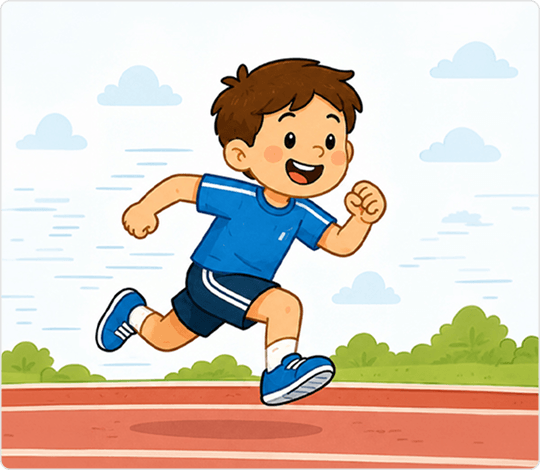
Exercise & Type 1 Diabetes
- Banana
- Fruit juice
- Dried fruit
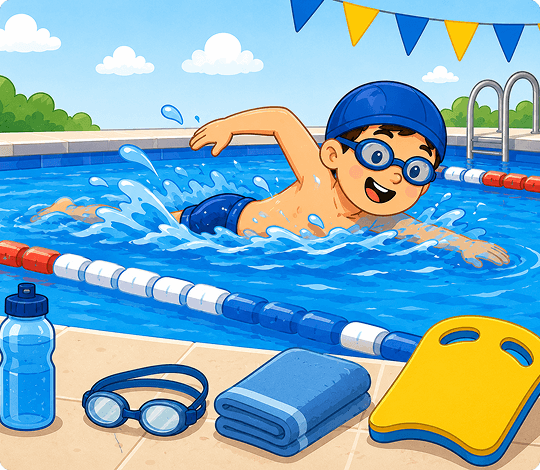
Exercise & Type 1 Diabetes
- Sandwich
- Cereal bars
- Digestive biscuits
After exercise
To prevent nighttime hypoglycemia, good bedtime snacks include:

Milk + biscuit

Peanut butter sandwich
Sports Drinks & Hydration
When exercising, it’s important to drink plenty of fluids.

Drink 200–300 ml water before activity
Drink 100 ml every 10–15 minutes during sports
What if blood sugar is high before exercise?
If ≥ 15 mmol/L:
Ask: Did I just eat a big meal?
Check ketones
Ketones negative → take 50% of correction dose of rapid insulin
Ketones positive → avoid exercise, take correction insulin, drink sugar-free fluids